
Vai al contenuto

Whoa! Hardware wallets are boring in the best way. They do one job and they do it extremely well: keep your private keys offline so your coins stay yours. At first glance that sounds obvious; but when you dig into how transaction signing actually happens, the practice and the theory start to diverge. My instinct said "simple", though actually wait—let me rephrase that: the UX looks simple, but the security and portfolio implications are layered and subtle.

Okay, so check this out—transaction signing is the moment of truth. Seriously? Yes. It’s when a device proves you meant to move funds without exposing the secret key that controls them. Short sentence. Then more: the device shows the details, you confirm, it signs, and the signed transaction goes out. On one hand that process is elegant; on the other, small mistakes by users or wallets can ruin everything.

Here's what bugs me about the ecosystem: wallets and apps often assume trust that isn't warranted. I'm biased, but interfaces should force transparency—always. Something felt off about a bunch of mobile wallet flows I tested; they hide fees, or they don't show the exact output addresses. Hmm... those are the moments where hardware wallets prove their value by demanding explicit confirmation on-device, removing the invisibly dangerous layer where a compromised computer can lie to you.

Short thought. Then more: transaction signing with a hardware wallet means the private key never leaves the device. That’s the key point. The host (your phone or laptop) constructs a transaction, then sends it to the hardware device for signature. The device signs and returns only signature data. Longer thought now—this separation reduces the attack surface because even if your host is infected, the attacker can't extract your key, only attempt to trick your display or make you sign a bad transaction if you accept what's shown.
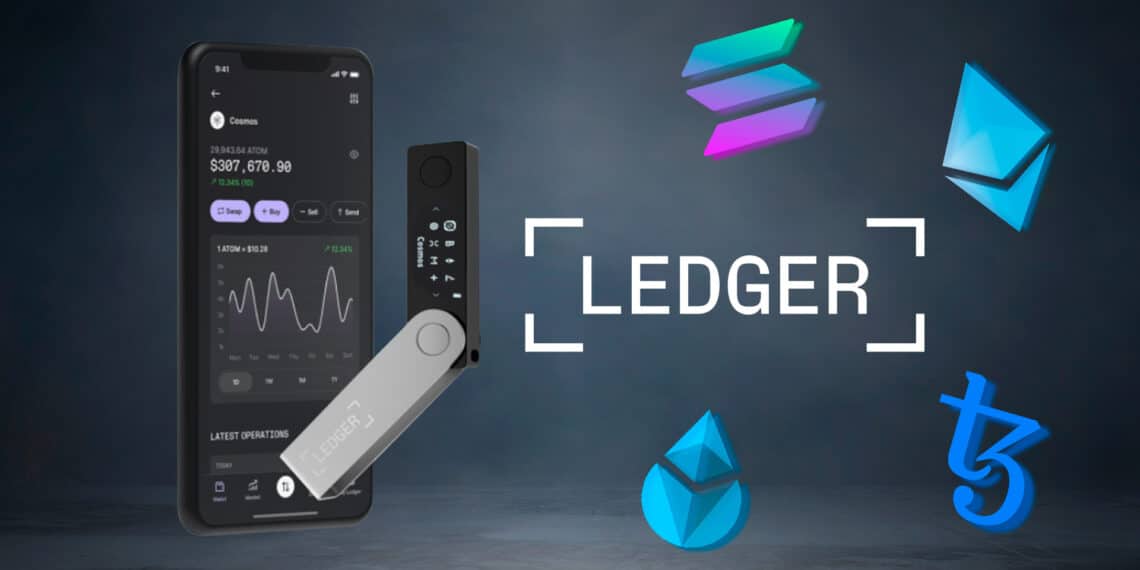
Hardware wallet displaying a transaction summary

How to read a signing screen (and not mess it up)

Short sentence. When a hardware device asks you to confirm, look for three things: the amount, the destination address, and the fees. Medium sentence. Check the address carefully; sometimes only the first and last characters are shown, which is fine if you understand the derivation path and wallet rules. Longer thought: if you're moving funds to a smart contract or a complex multi-output transaction, it's easy to miss hidden approvals (like token allowances) unless the wallet explicitly decodes and shows them, which many still don't do well.

Initially I thought "this is overkill", but then I had a transaction nearly signed that would have granted a dApp unlimited token transfer rights. I almost clicked confirm. Really. My heart raced. Actually, seriously—if the device doesn't decode the intent clearly, pause. On the streamer side, live demos look clean, but real life devs and attackers find ways to obfuscate, and your gut needs to be trained to spot it.

Managing a portfolio the hardware-first way

Manage fewer hot wallets. Short. Cold storage for bulk holdings, hot wallets for small daily use—this is basic. Medium. But you can go deeper: use a hardware wallet as your signing authority while maintaining a "watch-only" portfolio on mobile or desktop to do daily tracking. Longer: having a read-only view means you can evaluate balance and performance in real time, while every movement must pass through the hardware device, preserving security without sacrificing visibility.

Here's a practical tip I use. Regularly export your xpubs (extended public keys) to portfolio apps rather than importing private keys. This lets trackers and portfolio managers show all balances and transactions using safe read-only data. Sound boring? Maybe. But it's the cleanest separation of visibility and control. (oh, and by the way...) Rotating addresses and using proper change address handling still trip up many noncustodial wallets, so pay attention to how your wallet displays change.

Integration matters. The better wallet apps let you connect hardware devices and manage everything from one dashboard while strictly using the device for signatures. If you want a polished desktop experience, check the official client tools that pair with Ledger devices at https://sites.google.com/cryptowalletuk.com/ledger-live/. That’s been part of my workflow—watch-only on the laptop, signing with the hardware when moves are necessary. My workflow is simple, and it scales.

Threats you probably underappreciate

Short. Firmware tampering is not just sci‑fi. Long: threat actors can target the supply chain or try to get you to use compromised firmware; always buy devices from trusted retailers and verify your device's authenticity on first setup, following the manufacturer's instructions. Medium: phishing is huge. Attackers will mimic wallet UIs to trick you into entering seeds or connecting devices. I'm not 100% sure any one vendor is perfect, but good hygiene—unique seeds, verified firmware, secure backup storage—goes a long way.

On balance, multi-sig setups are underused by retail users. They add complexity, sure, but they dramatically reduce single-point-of-failure risk. My instinct said "too complex", until I set up a 2-of-3 with one signer on a hardware wallet, one in a secure app, and one in a safe deposit box. It felt clumsy at first. Then it felt smart. There's a trade-off between convenience and survivability, and unfortunately survivability usually loses in UI design contests.

FAQ

Do hardware wallets sign every kind of transaction?

Mostly yes, but some complex smart-contract interactions may not be fully decoded on-device and will show raw data instead. That doesn't mean the device is broken; it means you need to understand the action you're authorizing or use software that decodes the call for human-friendly confirmation before signing.

What happens if I lose my hardware wallet?

Short answer: you recover from the seed phrase. Longer answer: your recovery phrase is the backup of your private key; store it offline in multiple secure locations, consider using a metal backup, and if you're managing a meaningful portfolio, think about splitting recovery words using a Shamir or multisig approach to avoid a single point of failure.

Can I use a hardware wallet with portfolio trackers?

Yes. Use extended public keys (xpubs) or APIs that support watch-only modes so the tracker can show balances without ever holding your private keys. That separation lets you monitor performance, rebalance mentally, and only touch the hardware when you actually need to sign.

I'll be honest—this stuff can feel nerdy and slow. But slow is safe in the world of irreversible money. Somethin' about moving funds with a little pause before the final click feels right. My working rule: if I don't feel compelled to read every line on the device, then I shouldn't be signing. The ecosystem will get friendlier over time, though actually, some parts are getting more complicated thanks to DeFi's creative UX. That part bugs me, but it also excites me—because better tools will follow demand.

Final note. Train your habits now. Don't wait until you hold something life-changing in crypto to learn to verify addresses, to use watch-only setups, and to prefer hardware signing. Those small rituals—checking the address, confirming the amount, verifying the intent—turn into muscle memory that prevents costly mistakes. Long thought to finish: security is boring until it's not, and a hardware-first approach keeps the boring parts where they belong—behind the scenes—so you can enjoy the upside without gambling your keys away.


Baccarat bir kart oyunu olarak deneyimli oyuncu bakışı için verileri değerlendirmek gereklidir. Avrupa pazarında baccarat popülarite elde etme devam etmektedir. 2024 yılı verilerine göre Aktif Şans Oyunları Evi sektörü Dünya Ölçüsünde 1.5 trilyon dolarlık bir hacime ulaşmak üzeredir. Bu büyüme sonuç itibarıyla olarak katılımcılara teknolojik erişim kolaylığına bağlıdır.

Baccarat oyunlarının teknik altyapısı RNG algoritmaları üzerine kuruludur. Bu sistemler adil ve rastgele sonuçlar üretmek için tasarlanmışlardır. Mobil uyumluluk da oyunculara her yerden katılım imkanı sunmakta ve bu durum hissiyatlarını etkilemektedir. Örneğin, punto banco varyantının Matadorbet giriş sunucularındaki yazılım güncellemeleri oynamalarına etki edebilmektedir. Banker tarafına yapılan bahislerin matematiksel hesaplamaları bu sebep ile karmaşık olabilir.

Deneyimli bir oyuncu bakışı ile baccarat veri analitiği incelendiğinde, plan tasarım oluşturmanın hayati öneme haizdir olduğu görülür. Oyuncuların geçmiş el verilerini incele edebilirsiniz ve trendleri göz at etmek önemlidir. Banker ve Player arasındaki dağılım oranlarını takip etmek, uzun vadeli bir geliştirme stratejisi için zorunludur. Avrupa pazarındaki katılımcılara, bu tür veriye dayalı yaklaşımlar daha daha fazla kazanç fırsatı yaratabilir. Risk yönetimi prensipleri, oyun dengeleme mekanikleri anlaşıldığında daha etkin uygulanabilmektedir.

Gelecek dönemlerde baccarat sektörünün yapay zeka entegrasyonu ile dönüşeceği öngörülmektedir. Güvenlik ve lisans konuları ise oyuncu için birinci öncelik olmaya devam edecektir. Bilinçli katılım ilkeleri kapsamında, zaman ve para limitleri koymak önem taşımaktadır. Güvenilir platformların seçiminde, düzenleyici kurumların onaylarına dikkat etmek gereklidir. Sektördeki gelişmeleri takip etmek isteyenler için pazar analiz raporları faydalı malumat sağlayabilir. Sonuç şu an, teknoloji ve sorumlu oyun anlayışı birlikte ilerlemek zorundadır.

This is a sample post created to test the basic formatting features of the WordPress CMS.

Subheading Level 2

You can use bold text, italic text, and combine both styles.

  1. Step one
  2. Step two
  3. Step three

This content is only for demonstration purposes. Feel free to edit or delete it.

Wow. Felt that little jolt last week when a swap that should've been cheap suddenly cost 0.3% more. Annoying. My instinct said something's off with liquidity depth. At first I brushed it off—maybe slippage, maybe gas—but then I dug in and realized this is exactly where most users get tripped up: liquidity, not token design, is the real limiter.

Here's the thing. Stablecoins promise predictability, but the markets that let you trade them can be anything but predictable when liquidity thins. For someone providing liquidity or swapping everyday, the difference between a deep pool and a shallow one looks like a fee or a disaster. I'm biased—I've spent too much time watching 10-basis-point price moves—but that attention pays off. Let me walk you through why liquidity pools matter, how liquidity mining shifts incentives, and what practical steps seasoned DeFi users take to stay ahead.

Dashboard showing stablecoin pool depth and recent swaps

Liquidity pools: the mechanics in plain English

Think of a liquidity pool as a big digital bucket holding two or more assets. Simple enough. When you swap, you pour one asset in and take another out. The ratio of assets in the bucket sets the price. If too many people withdraw, the ratio skews and prices move. On automated market makers (AMMs), prices adjust via formulas—constant product, constant sum, hybrid curves—and each choice trades off impermanent loss, slippage, and profitability.

Curve's approach is a good example. It optimizes for stablecoins specifically, using curves that keep slippage low when assets are nearly the same price. Check this out if you want a hands-on platform for efficient stablecoin swaps: curve finance. Many traders use it as their first stop for large stablecoin conversions—it's engineered to minimize the pain.

On one hand, AMMs democratized market-making. On the other, they made capital efficiency and incentive design the central problems. Provide liquidity at the wrong time or to the wrong pool, and you might as well have lent tokens to a friend who lost interest... hmm.

Liquidity mining: carrots, sticks, and game theory

Okay, so yield farming blew up incentives. Initially it looked like free money—stake LP tokens, earn native tokens, rinse and repeat. But actually, wait—let me rephrase that: yield wasn't free. It came with hidden costs. Impermanent loss, token emission dilution, and governance risk all eat into what looks shiny on APY charts.

Liquidity mining is a brilliant behavioral hack. Protocols issue reward tokens to attract capital, aligning short-term liquidity needs with long-term governance goals sometimes. Though, in practice, many farms are ephemeral. Liquidity chases the highest APR. That's just human nature. The result: boom-and-bust pools where depth collapses once rewards stop.

For stablecoin pools this is crucial. Because stablecoins trade against each other with tiny price spreads, liquidity depth must be high or slippage spikes. When liquidity miners pull incentives, traders feel it immediately. And liquidity providers feel the pain later through reduced earned fees and higher relative losses.

Practical rules I live by (and that keep me from getting burned)

Don't jump into every high-APR pool. Seriously. Slow down.

Look at 24h TVL changes. Look at trade volume to fee ratio. If a pool's fees are a tiny fraction of the token emissions, that emission is propping up returns. Emissions can stop. Then what?

Favor pools with consistent on-chain volume. Prefer pools designed for like-for-like assets—USD stables with USD stables—because the math favors lower slippage and less impermanent loss. Use concentrated liquidity where it fits, but remember: concentrated strategies amplify both gains and risks.

Another tip: diversify across strategies. I split capital between deep, low-fee stable pools (for steady compounding), and smaller, opportunistic farms (for alpha). It’s not glamorous. It's practical. Also, watch for composability risk: a pool that depends on an external protocol for rewards may vanish if that protocol updates its policy.

Risk taxonomy — what to watch for

Smart contract risk. This is first and obvious. Audits help but don't guarantee safety. Bugs happen. Look for battle-tested code and community scrutiny.

Liquidity migration. Pools with heavy incentive-driven inflows can evaporate. Track how much of the TVL is from smart yield farms versus organic liquidity from traders.

Stablecoin risk. Not all stables are equal. Algorithmic stables, centralized reserves, and cross-chain bridged stables carry different failure modes. Pool composition matters.

Slippage and MEV. Big trades in shallow pools invite sandwich attacks and price impact. Use tools that estimate slippage and consider splitting trades across pools when possible.

A working example: choosing between two stable pools

Imagine Pool A: $1B TVL, low emissions, steady fees. Pool B: $200M TVL, massive emissions, huge APR. Which to pick? My gut says A for swaps and B for short-term yield. But then System 2 kicks in: calculate fee income, estimate IL under worst-case flows, model token price dilution. Often, the math favors A for traders and long-term LPs. For short-term farmers, B can be lucrative if you can exit before emissions taper.

One more realistic move: use protocol-native dashboards and third-party analytics to simulate historical slippage and fees. Don't rely on a single snapshot. Backtest mentally—it's surprisingly effective.

FAQ

How do I minimize impermanent loss in stablecoin pools?

Pick pools with assets that track each other tightly (USD stables are ideal). Choose pools with high trade volume relative to TVL so fees offset IL. Consider concentrated liquidity only if you actively manage ranges. And diversify—don't put everything into one LP token.

Is liquidity mining worth it?

Sometimes. If you can time emissions, understand tokenomics, and exit before dilution, mining can outpace passive LP returns. But it's higher effort and higher risk. For most users, allocating a portion of capital to farms and keeping core exposure in deep, low-slippage pools is a balanced approach.

How do I choose between AMMs for stable swaps?

Compare effective price impact, fee tiers, and aggregated liquidity. Use specialized platforms for stable swaps—their math is tuned to low-volatility assets. Also, check integrator routing: some aggregators split trades across pools to minimize slippage and MEV.

I'll be honest: DeFi is messy. It’s engineering mixed with market psychology. On one hand, you have elegant math. On the other, you have people chasing incentives and sometimes panicking. The edge comes from watching both sides. Track flows. Read proposals. Stay skeptical of too-good-to-be-true APYs. And remember—stability in stablecoin trading is a feature you can buy by choosing the right pools and staying disciplined.

So go ahead—trade and provide, but do it like someone who expects the unexpected. Keep some dry powder. Reassess when emissions drop. And if you ever need a fast, low-slippage stable swap, curve finance is one of the places I'd check first. Somethin' about its design just works for this use case.

This is a sample post created to test the basic formatting features of the WordPress CMS.

Subheading Level 2

You can use bold text, italic text, and combine both styles.

  1. Step one
  2. Step two
  3. Step three

This content is only for demonstration purposes. Feel free to edit or delete it.

Whoa! This is one of those geeky joys that also feels a little rebellious. My first reaction when I dug into Monero's tech was pure curiosity. Then that curiosity turned into a mildly obsessive interest. Hmm... something about transactions that don't leak who paid whom just felt right to me, like privacy actually doing what it promises.

Ring signatures are the backbone of that privacy. Short version: they let a user sign a transaction in a way that hides which output in a set is the real spender. Sounds simple. But the way Monero stitches decoys and cryptography together matters. Initially I thought ring signatures were just scrambled addresses, but then realized they’re much more subtle. They’re a cryptographic smoke screen that preserves plausibility while preventing straightforward linkage.

Okay, so check this out—here’s the mental model I use. Imagine a crowd of people all leaving a theater carrying identical shopping bags. You hand your bag to a clerk at random. An observer sees one bag taken, but they can’t tell which person dropped it off. The clerk knows someone dropped a bag. The observer can’t. That’s the gist. On one hand it's elegant. On the other hand it's not magic—there are limits, and there are trade-offs.

Illustration of ring signatures hiding a spender among decoys

How ring signatures actually work

Short phrase: they mix. Medium phrase: ring signatures combine the real input with a set of decoy inputs and produce a single signature that proves one of them is valid without revealing which. Longer thought: because the signature proves membership without identity, and because Monero pairs that with one-time stealth addresses and confidential amounts, you get a transaction that resists address reuse heuristics and basic chain analysis, though the system still depends on correct parameter choices and network practices.

Here's the thing. Monero creates a ring by selecting previous outputs from the blockchain as decoys. The signer owns one of those outputs and provides a cryptographic proof that one of the ring members authorized the spend. The verifier checks the proof against the whole ring and accepts the transaction if it's valid. They know one of the members is the real spender. They don't know which. Really? Yes. That is the privacy guarantee at the base layer.

My instinct said "more rings equals more privacy" and that is generally true, but actually, wait—let me rephrase that: privacy improves with larger and better-chosen rings, but bad decoy selection or small rings can leak patterns. On the protocol side Monero has evolved: ring sizes are now fixed and enforced (no tiny rings), and decoy selection was improved to mimic real spending distributions so that decoys look realistic rather than fake. Those updates matter more than they might seem at first glance.

Also, ring signatures alone don't hide amounts. That used to be a glaring weakness. Enter Confidential Transactions (RingCT). They hide amounts while preserving the ability to verify sums balance. It's a clever marriage: ring members hide identity, RingCT hides amounts, and stealth addresses hide recipients. Together that makes Monero a privacy coin in a practical sense, not just a theoretical one.

Something felt off when I first read early critiques claiming Monero was "perfectly private." No. Nothing is perfect. On one hand Monero resists many common chain-analysis techniques; on the other hand metadata, network-level leaks, or sloppy user behavior can still expose users. So while the protocol is strong, the ecosystem and usage patterns matter a lot. I'm biased, but that nuance bugs me when people simplify privacy as if it were binary.

Practical implications for users

Short note: behavior matters. Medium: if you reuse addresses, run a compromised wallet, or broadcast transactions over an exposed network path, ring signatures can only do so much. Long: cryptography can mask transaction linkage on-chain, but metadata—IP addresses, timing patterns, exchange KYC records—will still give adversaries points to connect dots unless you combine on-chain privacy with off-chain operational security.

So what should a privacy-conscious person do? First, use a dedicated monero wallet that understands privacy defaults. Second, avoid address reuse and third-party custodians when you need unlinkability. Fourth, consider network privacy tools like Tor or I2P for broadcasting. And finally, be mindful of how you acquire and spend Monero; remember that any on-chain privacy can be compromised by off-chain records.

I'm not 100% sure every reader needs to run a full node, though running your own node is great for trustlessness. If you don't, choose a wallet that connects to trusted nodes or run a remote node you control. A lightweight user can still gain strong privacy, but it requires a little operational thought. Somethin' to keep in mind.

Why the technology keeps changing

I admit I'm enthusiastic about upgrades. Monero's privacy model has iterated repeatedly. Ring sizes increased, RingCT became standard, and selection algorithms improved. Each change tightened common attack vectors. Yet there are trade-offs: bigger rings and stronger proofs increase transaction size and verification cost. On one hand you get better privacy; on the other you pay in bandwidth and CPU. That trade-off shapes user choices and wallet design.

Look—this part bugs me: debate often gets framed as privacy vs. scalability, but it's not purely binary. Innovations like compact proofs, protocol tweaks, and optimizations help. Developers and researchers keep pushing because adversaries also evolve. The result is a sort of arms race where Monero chooses conservative privacy defaults, even when that means slightly higher costs.

You'll also hear critiques about traceability in historic transactions. Initially I thought old-chain analysis was a solved worry, but then researchers demonstrated heuristics that could weaken naive decoy strategies. Monero responded. The community is reactive and pragmatic, which I like. That responsiveness is one of Monero's strengths.

Using a monero wallet the smart way

If you plan to handle Monero, pick a wallet that respects privacy defaults and gives you choices without confusing you. I prefer wallets that default to privacy-friendly settings and explain trade-offs plainly. When setting up, avoid obvious mistakes: don't import public addresses you use elsewhere, and be careful when copy-pasting addresses in mixed contexts. Little mistakes add up.

For a solid start, try a reputable client or a well-maintained web wallet if you understand the trust trade-offs. For more control, run your own node and pair it with a local wallet. If you want a simple entry point, see the official resources at monero wallet. That link is a practical stop, not a panacea. Use it as a part of your setup, not the whole strategy.

FAQ — quick answers

Do ring signatures make Monero untraceable?

They make on-chain linkage extremely difficult for typical observers. They do not make you immune to all forms of surveillance. Combine on-chain privacy with careful operational security for best results.

Can ring signatures be broken?

Not feasibly by current public cryptanalysis. The risk comes mainly from mistakes in decoy selection, metadata leaks, or future breakthroughs in cryptanalysis—so staying updated matters.

Will using Monero draw attention?

Possibly. Some exchanges and services flag privacy coins differently. That’s a policy and perception issue more than a cryptographic one. Be aware of local laws and service policies.

This is a sample post created to test the basic formatting features of the WordPress CMS.

Subheading Level 2

You can use bold text, italic text, and combine both styles.

  1. Step one
  2. Step two
  3. Step three

This content is only for demonstration purposes. Feel free to edit or delete it.

Wow!

Prowadzisz firmę w Polsce i bankowość online to twoje podstawowe narzędzie. Codzienne przelewy, rozliczenia VAT i szybie płatności kontrahentom zależą od stabilnego logowania. Na pierwszy rzut oka wszystko wygląda prosto, choć w praktyce drobne ustawienia potrafią uratować firmie czas, pieniądze i reputację. Chodzi o to, że nawet drobne zaniedbanie w konfiguracji użytkowników może skomplikować pracę całego działu księgowości.

Seriously?

Santander oferuje kilka wariantów kont firmowych oraz narzędzi do bankowości elektronicznej. Platforma do logowania bywa nazywana różnie i czasami jej elementy są schowane w nieintuicyjnych miejscach. Dlatego warto znać kluczowe kroki: konfiguracja użytkowników, limity i autoryzacje, bo błędy w tych obszarach prowadzą do przestojów. Something felt off about pierwszym kontakcie z infolinią u niektórych klientów, ale zwykle sprawy dają się wyprostować szybko.

Okay, so check this out—

Proces logowania do systemu firmy powinien być krótki i przewidywalny. Zaczynasz od identyfikatora użytkownika, następnie wpisujesz hasło, a potem autoryzujesz wejście tokenem lub aplikacją mobilną. I'll be honest... czasem aplikacja wymaga aktualizacji i to blokuje wejście w najmniej odpowiednim momencie. Jeśli masz dwóch administratorów konta, ustaw ich uprawnienia jasno i testuj każdy scenariusz przed wdrożeniem zmian.

Ekran logowania do platformy bankowości internetowej dla firm

Najczęstsze problemy przy logowaniu i jak ich uniknąć

Hmm... pamiętaj o kilku prostych zasadach bezpieczeństwa, które naprawdę działają. Aktualizuj przeglądarkę i aplikację mobilną, ustaw silne hasło i nie udostępniaj tokenów. Jeśli chcesz szybszego dostępu i łatwiejszego zarządzania, sprawdź dedykowaną stronę logowania i instrukcje platformy, np. ibiznes24, gdzie znajdziesz praktyczne wskazówki i zrzuty ekranu. Here's what bugs me about dokumentacji banków: czasem jest napisana zbyt technicznie i brakuje kroków dla małych firm, które nie mają działu IT.

Na co zwrócić uwagę przy konfigurowaniu konta?

Krótko: uprawnienia, limity, autoryzacje, i backup danych. Ustawienia uprawnień powinny odzwierciedlać role w firmie, a limity dzienne dopasuj do realnych potrzeb, nie do maksym. Zwróć uwagę na to, kto może zatwierdzać przelewy i czy są opinie o opóźnieniach w procesowaniu płatności zagranicznych. Mam wrażenie, że wiele firm nie testuje scenariuszy awaryjnych częściej niż raz do roku, a to za rzadko.

Na jednej z konsultacji klient zapomniał dodać numeru tel. do autoryzacji. Resultat? Zablokowane przelewy i panika rano. Nie żartuję, zdarza się częściej niż myślisz. Dlatego testy powinny być proste i powtarzalne, a instrukcje dostępne dla kilku osób w firmie.

Praktyczny checklist dla właściciela małej firmy

1. Sprawdź, czy każdy użytkownik ma unikalny login. 2. Ustal role i limity. 3. Włącz dwuskładnikową autoryzację. 4. Miej alternatywę do tokenu (aplikacja mobilna lub kod SMS). 5. Przeprowadź testy przy niskim obciążeniu bankowym.

To brzmi prosto, ale wdrożenie bywa skomplikowane gdy firma rośnie. Na jedno moje pytanie dotyczące autoryzacji bank odpowiedział szybko, ale dokumentacja nie obejmowała wszystkich ról w naszym zespole księgowym. (oh, and by the way...) warto zapisać sobie procedury krok po kroku i trzymać je w chmurze firmy, bo z telefonem w ręku łatwiej instruować pracownika.

FAQ — najczęściej zadawane pytania

Jak zresetować hasło do konta firmowego?

Procedura zależy od konfiguracji konta — zwykle zaczyna się od strony logowania, wyboru opcji „nie pamiętam hasła” i autoryzacji tożsamości przez mail lub telefon. Jeśli konto ma administratora, on często musi potwierdzić reset, więc przygotuj dowód tożsamości i informacje o firmie.

Co zrobić, gdy system nie akceptuje tokena?

Sprawdź synchronizację czasu w urządzeniu, zaktualizuj aplikację autoryzującą i spróbuj ponownie; jeśli problem się utrzymuje, skontaktuj się z obsługą techniczną banku i poproś o tymczasową alternatywę autoryzacji.

Jak zabezpieczyć konto przed nieautoryzowanymi przelewami?

Ustaw limity, wieloetapowe zatwierdzanie dla większych kwot, monitoruj logi aktywności i korzystaj z powiadomień push lub SMS przy każdej próbce logowania — proste, a skuteczne.

Okay, real talk — if you’re treating a private key like a username and password, you’re playing with fire. I learned that the messy way: a sleepy backup, a spilled coffee, and a frantic night of password resets that didn’t help. Wallets leak. Exchanges get hacked. But hardware wallets? They’re not perfect, but they’re the single biggest upgrade most people can make to protect crypto long term.

Short version: keep your private keys off internet-connected devices. Seriously. Cold storage reduces attack surface drastically. Longer version: you need a device you trust, a recovery plan you actually tested, and a set of behaviors that minimize human error. Below I’ll walk through practical setups, common failure modes, and things people gloss over but should not.

A hardware wallet next to a notepad with a handwritten seed phrase

Why hardware wallets matter

Think of your private key like the vault code to your life savings. Now imagine storing that code on a phone that runs dozens of apps. Not smart. A hardware wallet isolates the signing process in a tamper-resistant device so the private key never touches your internet-facing computer. That separation prevents remote malware from exfiltrating keys. It doesn’t stop every risk — physical theft, social engineering, or a bad recovery seed still matter — but it changes the game.

I'm biased toward hardware wallets because I’ve seen them stop attacks that would’ve otherwise drained funds. My instinct said this years ago, and repeated incidents proved it true. If you’re holding meaningful value, a hardware wallet should be in your toolkit.

Choosing and setting up a hardware wallet

Buy from a trusted seller. No marketplaces of dubious origin. Unbox in your presence. Check tamper evidence. If something looks off, return it. A small hassle that can save a lot.

Initialize the device on an offline machine if possible. Use the vendor’s official setup steps. Write your recovery seed down on paper — and then also consider a metal backup for resilience against fire and water. Keep duplicates in separate, secure locations. Don’t store the seed as a plaintext photo in cloud storage or your phone. Don’t type it into a browser. Don’t email it to yourself. Ever.

For many people, a hardware wallet like a Ledger model or similar is a good balance of usability and security. If you want to try one, check the ledger wallet setup documentation as part of your research — but always validate URLs and vendor info from official sources before clicking through.

Common mistakes and how to avoid them

Human error causes most losses. Here are the frequent traps:

  • Seed backups in a single location — burglar steals safe, funds gone. Split-knowledge backups (multisig or sharded seeds) reduce this risk.
  • Using a compromised computer for signing metadata or firmware updates — always verify firmware signatures and update with caution.
  • Blindly following social media wallet recovery instructions — scammers impersonate support. Real support never asks for your seed.
  • Not testing recovery — practice restoring a small wallet on a separate device to confirm your seed is correct.

A practical habit: after setup, transfer a small test amount and confirm you can send it back. It’s obvious, yet many skip it. That step tells you whether your setup and backup actually work.

Advanced options: multisig, air-gapped signing, and passphrases

If you care about estate planning or high-value holdings, use multisignature wallets. Multisig spreads control across multiple keys, often on different devices or with different custodians. That way, a single stolen device doesn’t give an attacker full control. Multisig adds complexity but raises the bar for attackers significantly.

Air-gapped signing and offline-only devices are another layer. They keep transaction signing entirely disconnected from the internet; transaction data is moved via QR codes or SD cards. It’s more work. But for some users, that tradeoff is worth the extra security.

Passphrases (BIP39 passphrase) act like a 25th word to your seed, creating a hidden wallet. Useful, yes. Dangerous if you forget the passphrase, though — there’s no recovery. I recommend a documented, tested approach: store passphrases with the same care as the seed, and test recovery in isolation.

Day-to-day best practices

Make security a habit, not a panic. A few daily rules that help:

  • Use hardware wallets for cold storage and only keep small, spendable amounts in hot wallets or exchanges.
  • Separate roles: one device for long-term holdings, another for spending. That way, you’re not exposing your main stash every time you transact.
  • Keep firmware up to date, but verify release notes and signatures. Firmware updates fix vulnerabilities, but they can also be vectors if you skip verification.
  • Limit privilege: avoid installing unnecessary browser extensions that interact with wallets, and use verified wallet integrations whenever possible.

Also — and this bugs me — don’t treat recovery seeds like throwaway strings. They’re the whole point. Secure them. Test them. Make a plan for inheritance or key transfer that your trusted people can follow without email and with clear, secure instructions.

FAQ

What happens if my hardware wallet is lost or destroyed?

If you have a correct recovery seed and it’s stored securely, you can restore your wallet on a new device. Without the seed, funds are unrecoverable. That’s why backups matter.

Can a hardware wallet be hacked?

Hardware wallets greatly reduce remote hacking risks because keys never leave the device. However, supply-chain attacks, physical tampering, or social-engineering scams can still compromise users. Mitigate these by buying from trusted sources, verifying devices, and never sharing your seed.

Should I use multisig?

Yes, for larger balances or shared custody. Multisig complicates recovery but adds strong protection against single-point failures. If you’re unsure, start small and learn the workflows before committing large sums.

This is a sample post created to test the basic formatting features of the WordPress CMS.

Subheading Level 2

You can use bold text, italic text, and combine both styles.

  1. Step one
  2. Step two
  3. Step three

This content is only for demonstration purposes. Feel free to edit or delete it.